
Short answer: Check the toy’s care label first. Wash compatible toys with detergent, rinse thoroughly, and dry completely.
Use a dishwasher or washing machine only when the toy allows it. Discard damaged toys before cleaning.
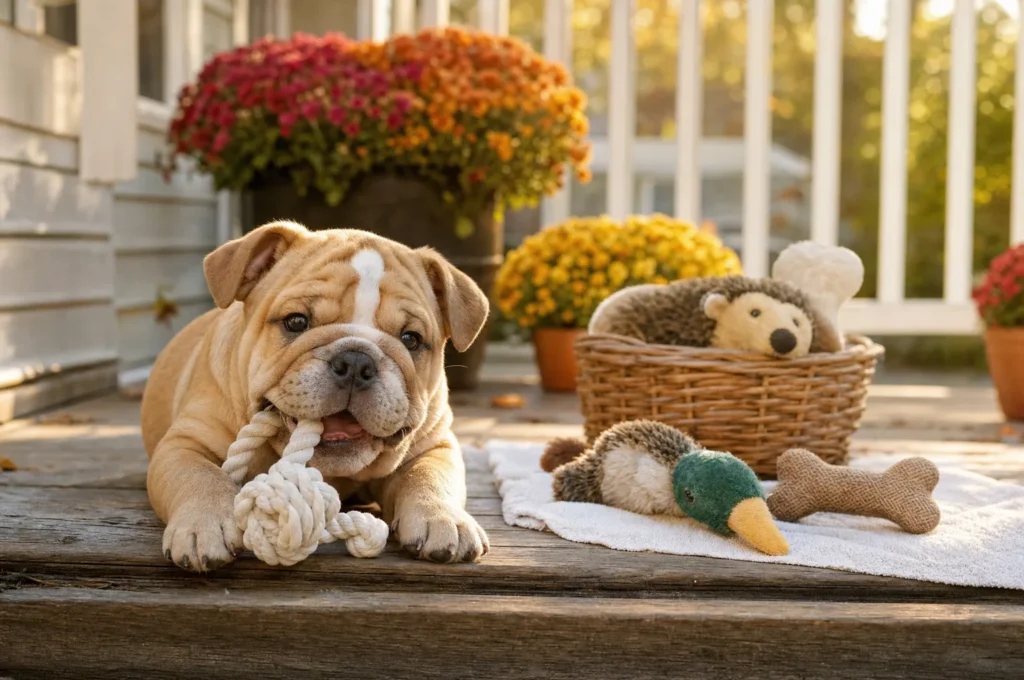
You pick the plush duck up off the kitchen floor and it’s damp. It smells like old drool and something sour. The rope toy is stiff and gray. The KONG still has Tuesday’s peanut butter glued inside.
Then she licks your face with the same mouth.
Dirty toys deserve a regular check. Wash visible dirt off promptly, and replace toys that cannot be cleaned safely.
Start by sorting the basket into washable, spot-clean-only and damaged toys. That prevents one unsuitable wash from ruining several favorites.
We sell the puppy schedule kit and washer cleaner tablets linked below. Our hair removal finder is free.
✓ Built on guidance from Preventive Vet, NSF International, Earth Rated, Great Pet Care and KONG.
How often should you clean dog toys?
Dr. Beth Turner, a veterinarian writing for Preventive Vet, says at least once a month, but weekly is better. Toys covered in slobber and dirt from hard play can be cleaned daily. Earth Rated sorts by use, with favorites weekly and less-used toys monthly.
If you can’t pick, wash whatever she had in her mouth this week on laundry day. Clean toys also tend to hold up longer, which might ease your toy budget.
What supplies do you need?
“Always read and follow instructions on the label for cleaners and disinfectants.”
CDC, cleaning and disinfecting pet supplies
- The toy’s care instructions and a suitable detergent.
- A soft brush, basin and clean drying area.
- A mesh bag for toys approved for machine washing.
How do you wash each kind of dog toy?
Check the tag or packaging first for the maker’s do’s and don’ts.
Can plush dog toys go in the washing machine?
Some can; others need surface cleaning. Check the label before choosing the cycle, temperature or drying method.
Remove loose dirt first. Use a mesh bag for machine-approved toys, then check seams and squeakers after washing.
There is no single wash temperature that safely disinfects every toy. Heat can damage glue, stuffing or plastic components.
Tip: No mesh bag? A pillowcase does the same job. Knot it shut before it goes in.
How do you hand wash a dog toy?
For a toy approved for immersion, brush away debris and wash in warm, soapy water. Rinse thoroughly and dry completely.
For spot-clean-only toys, clean the surface as directed. Do not soak electronic components.
Can you wash dog toys with your regular laundry?
Sometimes, if your normal load already suits the toys. Great Pet Care suggests a weekly check of her regular toys, then a wash along with your clothes.
Match the care labels for every item in the load. Use a separate load when contamination needs special handling. Ask your vet about disinfecting toys after illness.
Towels coming out musty anyway? Our mildew smell guide walks through that fix.
How to clean squeaky toys
The squeaker needs care. Behavior consultant Renee Rhoades warns about trapped moisture in Great Pet Care. Her warning: “water can get trapped inside and can lead to mold build up.”
- Wash gently. Hand wash it as above, or use a mesh bag on the gentle cycle.
- Keep the water cool. Heat can melt the glue and plastic inside.
- Get the water out. Squeeze it well, then air dry with no heat. It goes back in the basket only when it’s completely dry, so it doesn’t turn moldy.
How do you clean rope dog toys?
Follow the maker’s washing instructions. Do not assume rope toys tolerate boiling, especially when they contain glue or other materials.
Discard frayed rope. Washing cannot repair fibers that could be swallowed.
How do you clean rubber and KONG toys?
KONG recommends warm water, soap and a brush for its rubber toys. Its approved rubber toys can use the dishwasher’s top rack, without heated drying.
Check the specific toy first. Mixed-material toys may need different care. Keep openings clear so they can drain and rinse properly.
KONG advises against bleach and other chemicals on its natural rubber. That restriction matters even when a disinfectant suits another material.
Remove food residue after use. Never immerse a battery compartment or electronic toy unless its instructions explicitly permit it.
How to clean balls and frisbees
Check the label before putting balls or flying discs in the dishwasher. Veterinarian Patrik Holmboe offers a useful comparison in Great Pet Care: “treating the toy like a food dish usually works wonders.”
Yes, tennis balls count too. A ball from daily outdoor fetch may need a wipe or rinse after each session. Replace a rubber ball once it starts to break.
Which method, how often, and when to toss it
| Toy | First check | Replace when |
|---|---|---|
| Plush or squeaky | Machine washing, hand washing or surface cleaning? | Open seams, loose squeaker or exposed stuffing |
| Rope | Approved wash and drying method | Frayed or unraveling fibers |
| Rubber or food toy | Dishwasher permission and chemical restrictions | Cracks, missing chunks or trapped mold |
| Electronic | Surface-cleaning instructions | Damaged casing or exposed battery compartment |
Which cleaning shortcuts should you avoid?
CDC distinguishes cleaning from disinfecting. Detergent removes dirt; disinfectants kill specified germs when used correctly.
Vinegar is not a reliable substitute for an appropriate disinfectant. Never mix bleach with vinegar, ammonia or other cleaners.
Follow both the disinfectant label and toy instructions. Keep pets away during cleaning, and complete required rinsing and drying.
A product suitable for one hard surface may damage a porous rubber toy. When instructions conflict, ask the manufacturer or replace the toy.
What if she peed or pooped on a toy?
Treat the mess first, then wash the toy by its type. Fecal contamination can carry E. coli or Giardia, and both can pass to people, Preventive Vet says. Scrape off what you can, then run the toy’s normal wash. If the pee also hit the rug, our enzyme cleaner guide covers that spot. Wash your hands after, which NSF recommends after playing with pets anyway.
What does a load of dog toys do to your washing machine?
A load of slobbery plush toys sheds hair into the drum and leaves a film on the door seal. Our washer cleaning guide covers the pet hair, and that film can ride back onto clean towels.
Fur stuck to her blankets before the wash? Our free Pet Hair Removal Finder asks three questions and names a suitable type of hair remover.
When should you throw a dog toy away?
Look each toy over on laundry day, and more often if she’s a destructive chewer. Three signs mean it goes in the trash.
- Stuffing is showing. Swallowed stuffing can cause an intestinal blockage, Preventive Vet says.
- Rope is frayed. Great Pet Care lists it among the toys to part with.
- Rubber is breaking. A broken piece she swallows could mean a trip to the ER.
Washed toys and she still ignores them? Michael had the same basket.
While sorting the basket: Separate damaged toys before washing. Check seams, loose pieces and exposed stuffing again when everything is dry.
A weekly rotation keeps the enrichment fresh and also cuts the wear on each toy.
When should you call the vet?
- A piece of toy is missing and you can’t find it. She may have swallowed it, which is the ER risk from the list above.
- A parvo or ringworm diagnosis in the house. Ask your vet how to disinfect her things before you wash anything.
What should you do this week?
- Tonight: toss by the three signs above.
- Laundry day: wash each toy by its care label. Dry thoroughly and inspect it before returning it.
- This weekend: split the rest into three rotation bags.
Dog toy washing FAQ
Do I need to wash toys more often if my dog eats raw food?
Yes, daily, Preventive Vet says. Studies indicate raw diets can contain Salmonella and Listeria, and a toy chewed right after a meal can carry them.
How do you disinfect dog toys after parvo?
Ask your vet which toys can be safely disinfected and which should be discarded. Use a product labeled effective against parvovirus. Follow its dilution, contact time and rinsing instructions exactly. A general cleaning recipe is not enough.
How do you get the smell out of a dog toy?
Wash it using the approved care method, rinse well and dry it fully. Replace it if odor or trapped mold remains. Do not cover the smell with fragrance.
Editorial review: Updated October 23, 2026 after reviewing search results and relevant source guidance. This is an editorial guide, not a product test or individualized professional advice.